
Beer · Style · Reference page
Pilsner (Czech pale lager)
Pilsner is the golden, hop-accented lager first brewed in Plzeň in 1842. Its name means 'from Pilsen'.
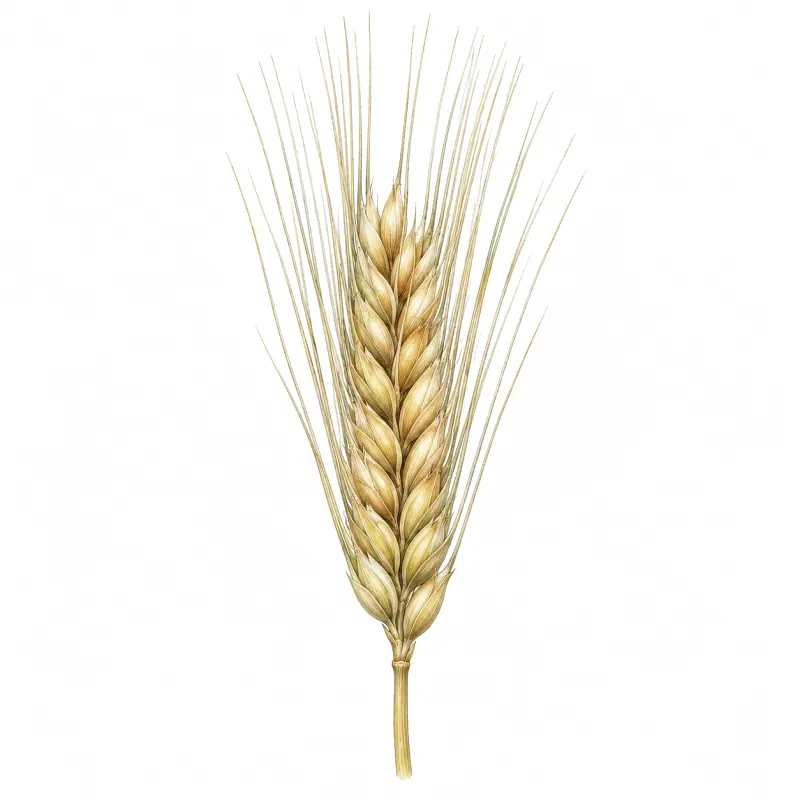
Method
Bottom-fermented and cold-matured (lagered); pale malt from indirectly fired kilns.
Character
Golden, clear, with soft malt and pronounced hop bitterness and aroma.
Contested
Groll is credited with the first pilsner, but brewing guides note there may have been earlier pale lagers in Bohemia; the tale that Groll used the 'wrong malt' by accident is called fanciful by the Oxford Companion.
Plzeň, 1842
In 1838 tavern keepers in Plzeň poured away 36 barrels of poor local beer, and the town's burghers built a new brewery. They hired a Bavarian brewer, Josef Groll, who knew the new cold-fermented lager method. He brewed the first batch on 5 October 1842 and it was presented on 11 November 1842: "the first truly pale beer ever seen in central Europe", in the words of the Oxford Companion to Beer. The pale colour came from the malt as much as the yeast: a kiln fired indirectly, probably with coke and possibly after English models, dried it without darkening it (malting).
A name that travelled
Pilsner means "from Pilsen". The brewery registered "Pilsner Bier" as a trademark in 1859 and "Pilsner Urquell" (Plzeňský Prazdroj, "original source") in 1898. Pilsner reached the United States by 1874, and before the First World War the Plzeň brewery sued Bitburger over its "pilsner" label without winning outright.
How it connects
Maker
- produced-by Burghers' Brewery, Plzeň (Pilsner Urquell)
History
Method
- technique Malting
Story
- related A history of beer
Recipe
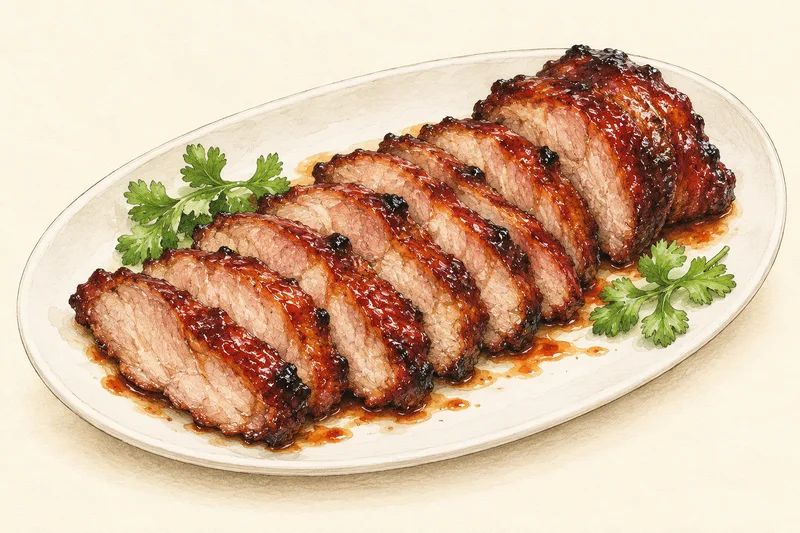
- pairs with Char siu
Continue exploring
- CountryCzech Republic3 entries in the atlas so far
- RecipeChar siuGuangzhou, Guangdong, People's Republic of China
- StoryA history of beer
- IngredientBarleyHordeum vulgare
- IngredientHopsHumulus lupulus
- MethodMaltingMalting
- StoryA history of whiskyScotland, United Kingdom
- HistoryLinde's refrigeration machine at Spaten1873
- HistoryThe first Plzeň pale lager5 October 1842 (first brew); 11 November 1842 (first presented)
- MakerBurghers' Brewery, Plzeň (Pilsner Urquell)Plzeň (Pilsen), Bohemia, Czech Republic