
Beer · Ingredient · Reference page
Hops
The female cones of the hop plant give beer its bitterness and much of its aroma, and help keep it from spoiling. Hops displaced herb mixtures such as gruit across medieval Europe.
Role
Bittering, aroma and preservation; alpha acids from the cones become bitter iso-alpha acids in the boil.
The plant
All commercial hops belong to Humulus lupulus, the common hop; the genus is related to Cannabis. Hop plants are perennial and dioecious, with male and female flowers on separate plants. Each spring a crown and rhizome send up annual climbing bines that can grow up to about 7.5 m (25 ft) in a season. Only the female flowers, papery cones, are used in brewing, and growers remove male plants to prevent pollination. Inside the cones, lupulin glands hold alpha acids, beta acids and essential oils.
What hops do in beer
The alpha acids (humulone, cohumulone and adhumulone) are barely soluble until a vigorous boil turns them into iso-alpha acids, which are more soluble and more bitter. The essential oils give aroma but are volatile, so aroma hops go in late. Hops also give beer a measure of protection against bacteria. Medieval writers knew this: around 1158 Hildegard of Bingen noted that the bitterness of hops inhibits spoilage in drinks.
Because hopped beer kept and travelled, it won the trade. From the thirteenth century hopped beer from Bremen and Hamburg was exported widely, and from the fourteenth century beer brewed with the herb mixture called gruit was in decline throughout the Low Countries.
How it connects
History
Style
- used in India pale ale (IPA)
- used in Lambic
- made with Pilsner (Czech pale lager)
Story
- related A history of beer
Continue exploring
- StoryA history of beer
- StyleIndia pale ale (IPA)Recognised style
- StyleLambicRecognised style
- StylePilsner (Czech pale lager)Recognised style
 RecipeChar siuGuangzhou, Guangdong, People's Republic of China
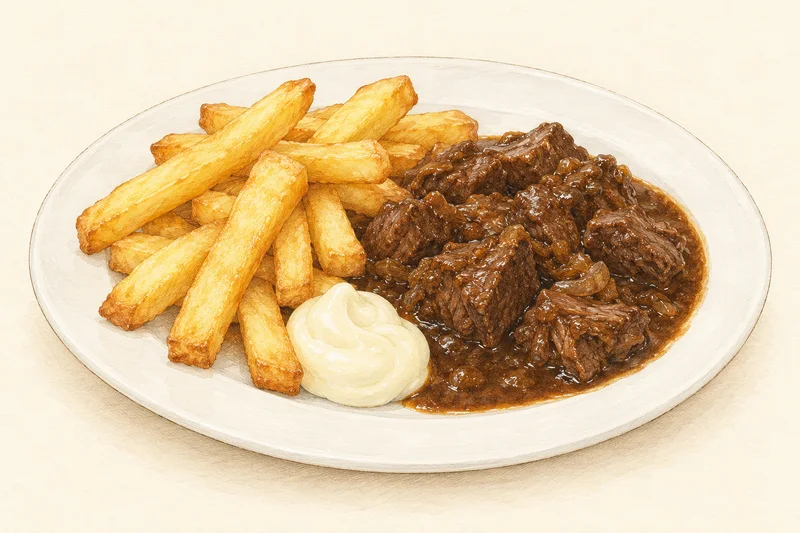 RecipeStoofvleesBelgium
- HistoryThe Bavarian beer ordinance of 1516 ('Reinheitsgebot')24 April 1516
- HistoryHops in the statutes of Adalhard of Corbie822
- StoryOther drinks: mead, cider, rice wine, palm wine, cacao and spa waterPeople's Republic of China
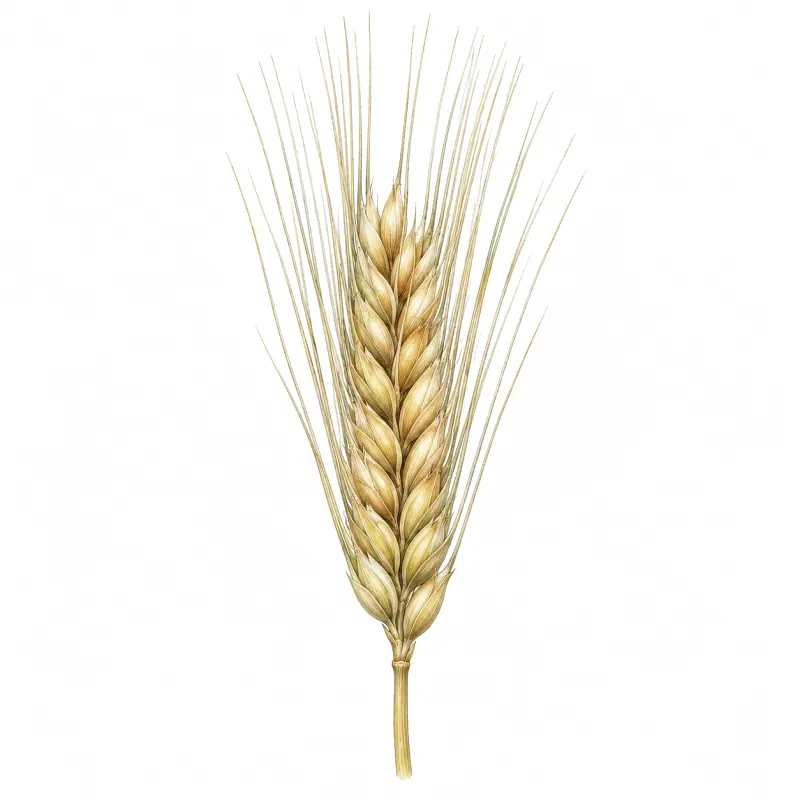 IngredientBarleyHordeum vulgare