Beer · History · Short entry
The Bavarian beer ordinance of 1516 ('Reinheitsgebot')
In April 1516 the dukes of Bavaria ruled that beer be brewed from barley, hops and water alone. The name 'Reinheitsgebot' was coined almost four centuries later.
24 April 1516
A clause of the Bavarian Landesordnung issued by Dukes Wilhelm IV and Ludwig X limiting beer ingredients to barley, hops and water and capping beer prices.
Why it mattered
Became the model for later German beer law and a powerful marketing symbol; it built on earlier town ordinances.
The ordinance and its legend
The rule was part of the Landesordnung agreed at the Landtag in Ingolstadt and dated 24 April 1516; it was finally discussed in July and then printed. In the name of Dukes Wilhelm IV and Ludwig X, it required that beer be brewed from "barley, hops and water alone" and capped the price of winter and summer beer. It was not new: Munich's ordinance of 1487 already named hops, barley and water, and other towns had earlier rules. Exceptions followed quickly, such as coriander and laurel in 1551 and ducal privileges for wheat beer.
The word "Reinheitsgebot" is an early twentieth-century coinage, first used in the Reichstag in 1909. The German Beer Tax Act of 1906 applied a purity requirement to bottom-fermented beer, and Bavaria made its extension to all beer a condition of joining the national beer tax system in 1919.
How it connects
Continue exploring
- CountryGermany20 entries in the atlas so far
- StoryA history of beer
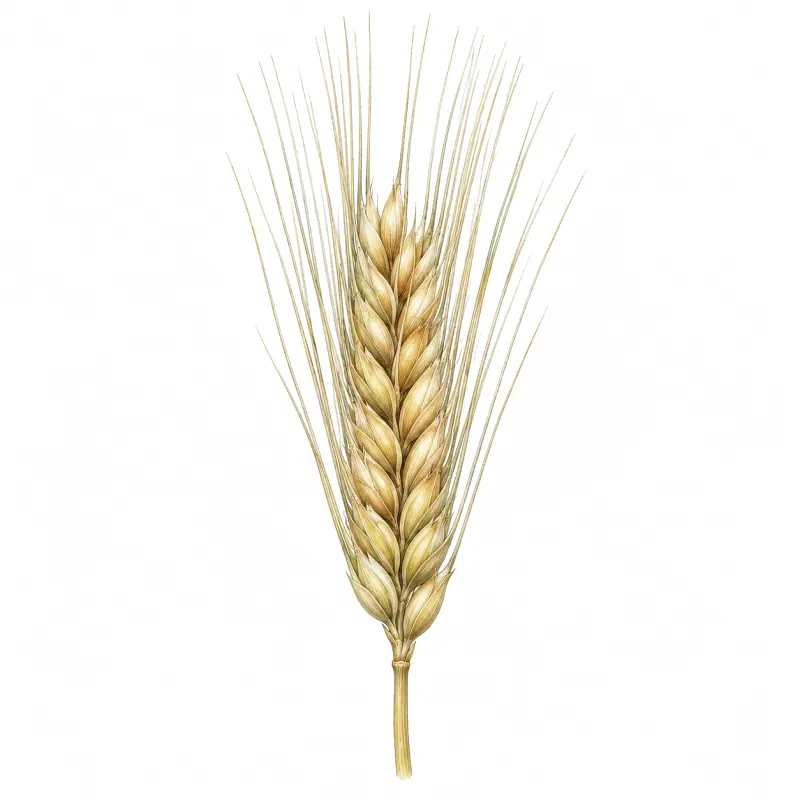
- IngredientBarleyHordeum vulgare
- IngredientHopsHumulus lupulus
- StoryA history of whiskyScotland, United Kingdom
- RegionBambergBamberg, Upper Franconia, Germany
- StyleGeneverProtected name
- StyleIrish whiskeyProtected name
- StyleScotch WhiskyProtected name
- StoryCereals: the grasses that fed the worldTurkey