
Beer · History · Short entry
The Hymn to Ninkasi
A Sumerian hymn to the beer goddess Ninkasi, known from tablets at least 3,900 years old, describes brewing in poetic language. It is often called a recipe; specialists disagree.
tablets at least 3,900 years old (early second millennium BCE)
A hymn praising Ninkasi that mentions beerbread, malt, mash spread on reed mats and filtered beer from a collector vat.
Why it mattered
The best-known literary text on Mesopotamian beer; its use as a 'recipe' rests on disputed translations.
Text and translations
The hymn survives on three fragmentary clay tablets from in and around Nippur. In Miguel Civil's translation, used by the Oxford corpus of Sumerian literature, Ninkasi bakes beerbread in the big oven, waters the earth-covered malt, soaks malt in a jar, spreads cooked mash on reed mats and pours filtered beer from the collector vat "like the onrush of the Tigris and the Euphrates".
Later translators read key terms differently: for Walther Sallaberger, bappir is sourdough rather than beerbread. The archaeologist Tate Paulette concludes that the poem is no reliable guide to how Sumerians brewed.
How it connects
Story
- related A history of beer
Continue exploring
- CountryIraq1 entry in the atlas so far
- StoryA history of beer
- StoryOther drinks: mead, cider, rice wine, palm wine, cacao and spa waterPeople's Republic of China
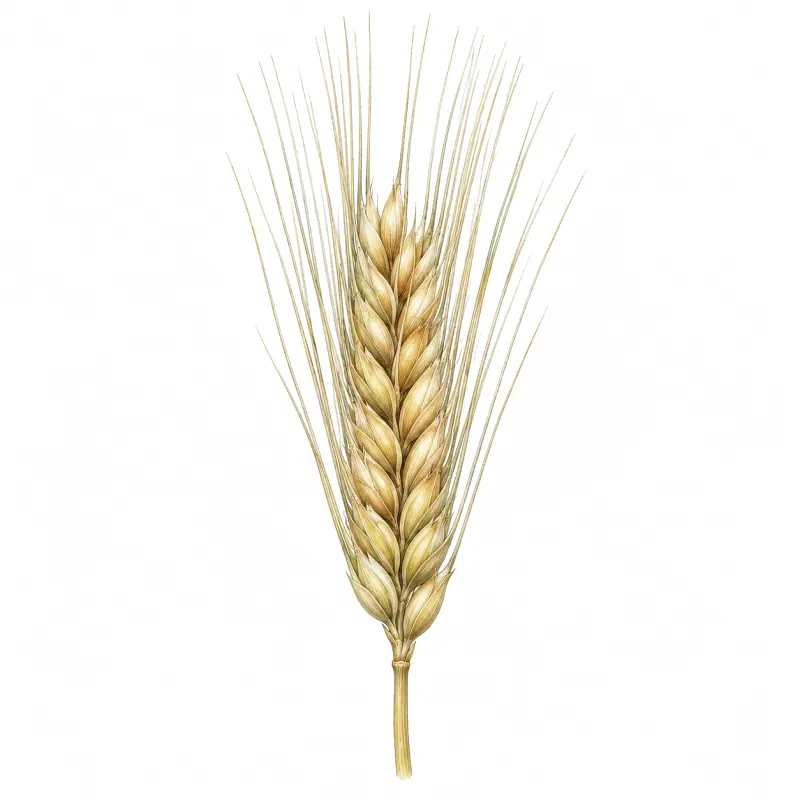 IngredientBarleyHordeum vulgare
- IngredientHopsHumulus lupulus
- MethodMaltingMalting
- RegionBelgiumBelgium
- StyleIndia pale ale (IPA)Recognised style
- StylePilsner (Czech pale lager)Recognised style
- StylePorterRecognised style