
Beer · History · Short entry
Early Egyptian breweries: Hierakonpolis and Abydos
By about 3600 BCE brewers at Hierakonpolis were heating malted emmer in rows of large vats; at Abydos a larger brewery probably dates to the reign of Narmer.
c. 3600 BCE (Hierakonpolis); c. 3150 BCE (Abydos)
Installations of heated ceramic vats producing beer from malted emmer wheat with some barley, at a scale far beyond household brewing.
Why it mattered
Evidence of organised, large-scale brewing linked to elites and funerary cult at the birth of the Egyptian state.
Two sites
At Hierakonpolis, conical vats of about 20 US gallons stood in installations of six to sixteen, enough for even the smallest to make about 100 gallons a day. They held malted, crushed emmer wheat with some barley; the excavators consider beer the most likely product, though porridge is possible. Chemical analysis of the residues (Farag et al. 2019), dating the installation to about 3600 BCE, found dates as flavouring and high phosphoric acid, probably a preservative.
At Abydos, a team led by Matthew Adams reported in 2021 a brewery of eight production areas with about forty vats each, able to make up to about 5,900 US gallons (some 22,000 litres) at a time. It probably dates to the reign of Narmer, around 3150 BCE, and may have supplied royal funerary rituals. The "oldest industrial brewery" label used in reports should be read with these hedges.
How it connects
Story
- related A history of beer
Continue exploring
- CountryEgypt3 entries in the atlas so far
- StoryA history of beer
- StoryOther drinks: mead, cider, rice wine, palm wine, cacao and spa waterPeople's Republic of China
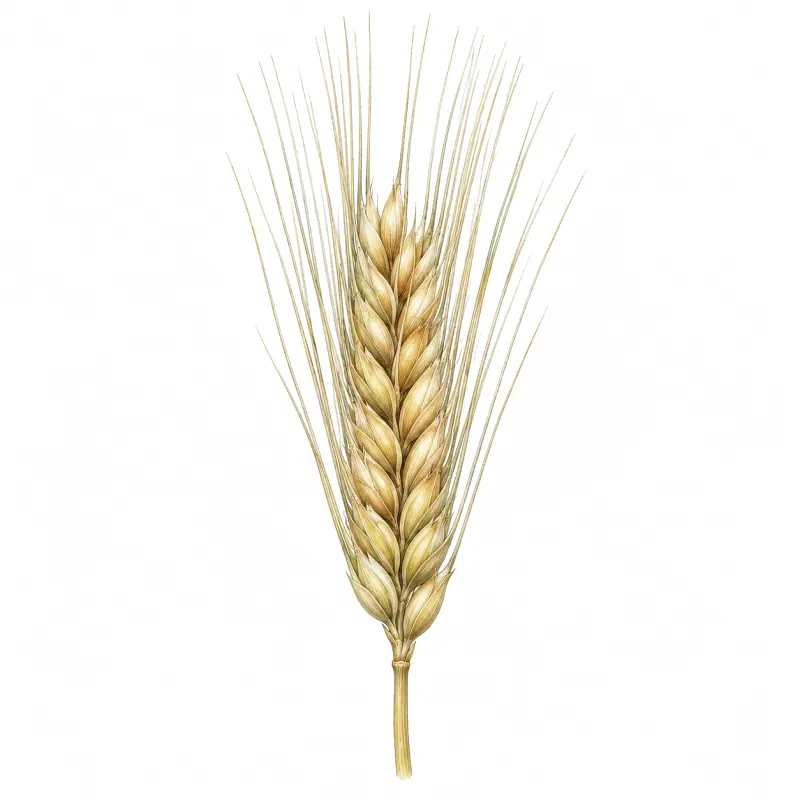 IngredientBarleyHordeum vulgare
- IngredientHopsHumulus lupulus
- MethodMaltingMalting
- RegionBelgiumBelgium
- StyleIndia pale ale (IPA)Recognised style
- StylePilsner (Czech pale lager)Recognised style
- StylePorterRecognised style