
Explore the world · Ingredient history · Reference page
Fish and seafood: hooks, salt, steam and farms
People have fished with hooks for at least 23,000 years. Dried and salted cod and herring fed medieval Europe and made the fortunes of Lübeck and the Dutch Republic. Romans and later the French farmed oysters. Steam trawlers emptied the seabed, cod collapsed off Newfoundland, and since 2022 farms produce more fish and shellfish than the wild catch.
The oldest hooks
Fishing is far older than farming. At Sakitari Cave on Okinawa, archaeologists led by Masaki Fujita found fishhooks cut from sea-snail shell. One finished hook lay in a layer dated to about 23,000 years ago, which the team describes as the oldest fishhook yet found; similar shell hooks from Timor are of comparable age. These people were taking fish from the sea at the height of the last Ice Age, as part of a coastal way of life that the team traces back 30,000 to 35,000 years.
Stockfish and salt cod
In the North Atlantic, cod became Europe's great preserved fish. Each winter Arctic cod come south from the Barents Sea to spawn around the Lofoten islands of northern Norway, where the winter climate is ideal for drying fish in the open air. Medieval Lofoten exported this stockfish to the towns of the North Sea and Baltic, and the Hanseatic city of Lübeck came to control much of the trade. In 2017 a team led by Bastiaan Star used ancient DNA to show that cod eaten at the Viking Age trading town of Haithabu, in northern Germany, came from that same Arctic stock, so the long-distance trade may be older than the twelfth- to fourteenth-century documents that record it.
Salt cod came with the Atlantic crossing. Ancient DNA from cod bones in Spain confirms that cod caught off Newfoundland was reaching Spain by the early sixteenth century. Basque and Galician crews supplied the Spanish market, the English expanded into Newfoundland later that century, and in the seventeenth century English ships sold Newfoundland cod in southern Europe and returned with salt and wine.
Herring: the Hanseatic and Dutch fisheries
Herring spoil within hours, so the herring trade depended on salt. Demand grew with towns and with the Christian calendar of fast days, when meat was forbidden. Commercial herring fishing is recorded on the Baltic island of Rügen in the early twelfth century. The fishery in the Øresund, between Denmark and southern Sweden, then became what geneticists call the first European fishery to reach a true industrial scale. Under Denmark and the Hanseatic League it was most active from the thirteenth to the sixteenth century, landing perhaps up to 50,000 tonnes a year at its peak (estimates are debated), and its salted herring reached Italy and northern Norway. It collapsed in the late sixteenth century, and herring fishing shifted to the North Sea. Overfishing has been blamed; ancient DNA shows the Øresund fleet did harm the local stock, but that the deeper change in Baltic herring came only in the twentieth century.
The North Sea fishery made the fortune of the Dutch Republic. Between the late 1500s and the 1600s Dutch fleets dominated the trade, by one estimate controlling up to 80 % of the market, and herring money helped finance the Dutch Golden Age. The North Sea autumn-spawning herring that fed this trade supported one of the world's largest herring fisheries until the 1970s. Its spawning stock fell by about 97 %, from some 5 million tonnes in 1940 to 50,000 tonnes in 1970, because managers did not cut catches despite scientists' warnings.
Farming oysters, from Baiae to Arcachon
Oysters were among the first sea creatures to be farmed. Pliny the Elder records that Sergius Orata was the first to build oyster beds, at Baiae on the Bay of Naples, in the time of the orator Lucius Crassus, before the Marsic War, and that he did it for profit rather than appetite. Orata made the oysters of the Lucrine lake famous; later, Pliny says, oysters were brought from Brundisium and fattened in the Lucrine. He adds that in Orata's day the shores of Britain did not yet send oysters to Rome, a sign of how far the trade had reached by his own time.
France built the modern industry after its wild beds were exhausted. Oyster beds had been overfished since the eighteenth century. Between 1853 and 1859 the naturalist Coste and his colleague De Bon began collecting wild oyster larvae (spat), and from 1865 limed tiles gave growers a regular supply. At Arcachon the native flat oyster yielded 15,000 to 20,000 tonnes a year in 1908-1912. Disease then shaped the industry: flat oysters died in great numbers after 1920; the imported Portuguese oyster replaced them and was itself wiped out in France by a viral disease in 1970-1973. Growers restocked with the Pacific oyster from Canada and Japan, and France now produces about 120,000 tonnes of it a year.
Steam, trawls and collapse
Until the early nineteenth century British bottom trawlers were sailing boats that fished near port. Railways from the 1830s carried fresh fish to inland cities, and steam trawlers from the 1880s set off a rapid expansion. Line fishers protested, and a government inquiry in 1885 led to national catch statistics from 1889. Using those records, Ruth Thurstan and colleagues found that the landings of bottom-living fish per unit of fishing power fell by 94 %, seventeen-fold, between 1889 and 2007. Steam overtook sail in fishing power by about 1900. In 1889 a mostly sail-powered fleet landed twice as much fish into the United Kingdom as the far more powerful fleet of the early twenty-first century. From the 1950s subsidised distant-water fleets from Europe and East Asia fished ever further afield, until 200-mile national zones closed many grounds from the mid-1970s.
The collapse of northern cod off Newfoundland is the starkest case. In the early 1960s the stock off southern Labrador and eastern Newfoundland held about 3 million tonnes of cod aged three and over. Fishing intensified greatly as non-Canadian fleets worked the dense offshore winter shoals. Catches rose through the 1960s to a peak of more than 800,000 tonnes in 1968, fell to 140,000 tonnes in 1978, and declined steeply again in the early 1990s. Canada closed the directed fishery in 1992. The country's own scientists attribute the collapse to historical overfishing combined with a shift in the ecosystem, and in 2016 the stock was still in the "critical zone".
Farms overtake the wild catch
In 2022, for the first time, aquaculture produced more aquatic animals than capture fisheries: 94.4 million tonnes, 51 % of the total, against 91.0 million tonnes of aquatic animals caught wild (92.3 million tonnes with algae), according to FAO's State of World Fisheries and Aquaculture 2024. Each person on earth ate on average 20.7 kg of aquatic food in 2022, up from 9.1 kg in 1961. FAO also reports that the share of marine fish stocks fished within biologically sustainable levels fell to 62.3 % in 2021; weighted by production, an estimated 76.9 % of 2021 landings came from biologically sustainable stocks. The long record in this story, from the Øresund to the Grand Banks, shows how quickly a fishery that seemed limitless can fail.
How it connects
Continue exploring
- CountryNorway2 entries in the atlas so far
- StoryMeat and butchery: from the first herds to the packing houseUnited States of America
- StoryTea: from the hills of southern China to the world's cupPeople's Republic of China
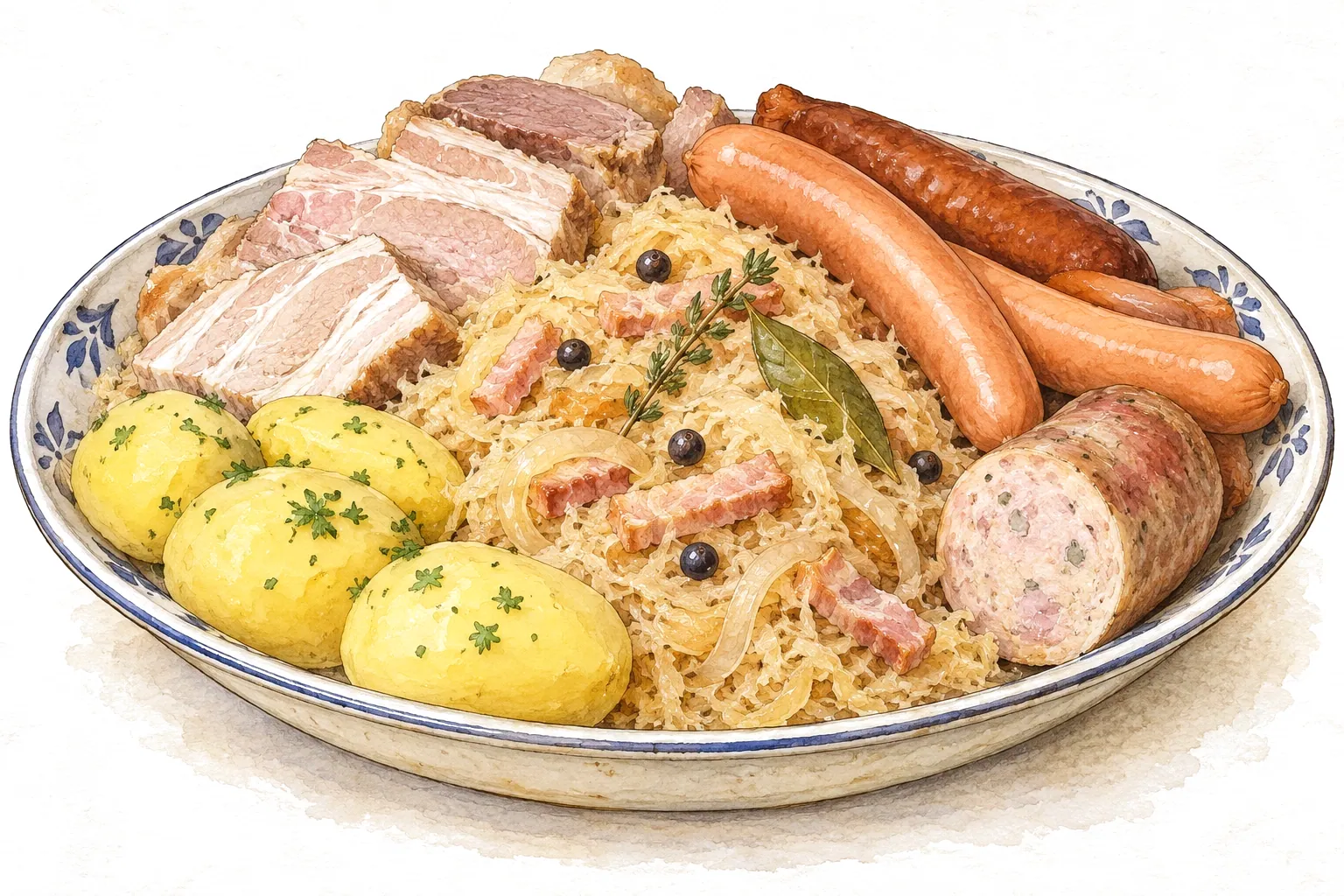 RecipeChoucroute garnieAlsace (Krautergersheim), France
- StoryCereals: the grasses that fed the worldTurkey
- StoryCoffee: from Ethiopian forests to the world's cafésEthiopia
- StoryOther drinks: mead, cider, rice wine, palm wine, cacao and spa waterPeople's Republic of China
- StorySpices and salt: pepper, nutmeg and the taxed necessityIndonesia
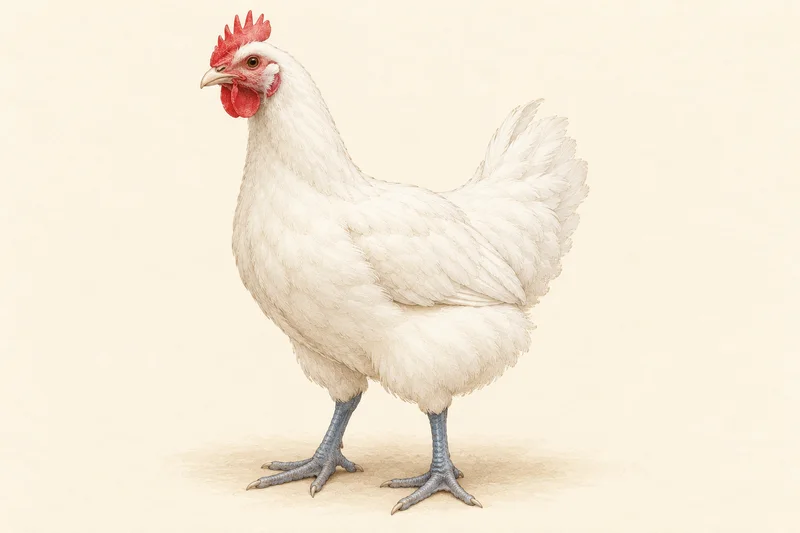 BreedBresseBresse (Ain, Jura, Saône-et-Loire), France
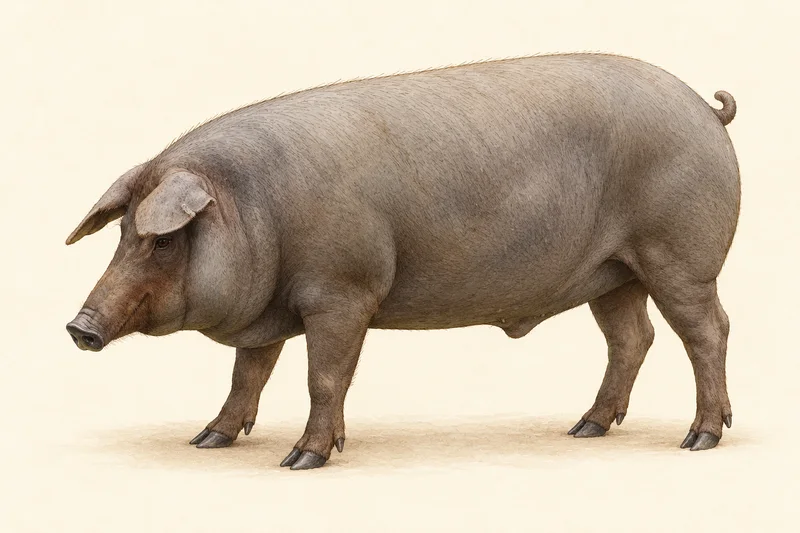 BreedIberian pigDehesa of south-western Spain, Spain