
Beer · History · Short entry
Raqefet Cave: the oldest beer claim
Residues in Natufian stone mortars at Raqefet Cave, about 13,000 years old, have been proposed as the earliest evidence of brewing. The interpretation is debated.
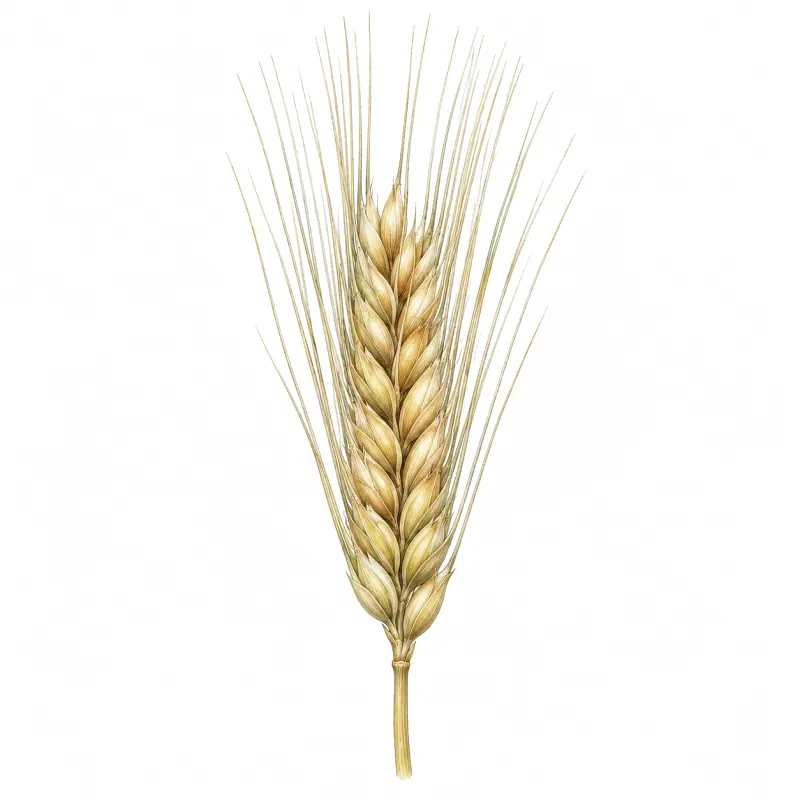
c. 13,700-11,700 years ago (cal BP)
Use-wear and residue analysis of three stone mortars at a Natufian burial site found wheat or barley, oat, legumes and flax; the authors propose that malted grain was stored and a cereal beer brewed for funerary feasts.
Why it mattered
If confirmed, brewing by foragers would predate domesticated cereals by millennia and bear on the theory that beer helped drive cereal farming.
Claim and doubt
Li Liu, Jiajing Wang, Danny Rosenberg and colleagues (2018) studied three mortars from the Natufian site at Raqefet Cave, dated about 13,700 to 11,700 calibrated years before present. They concluded that wheat- or barley-based beer was likely brewed and served at ritual feasts around 13,000 years ago and called this the earliest archaeological evidence for brewing. The archaeologist David Eitam argues that the residues and vessel shapes point to grinding grain for bread, and that three artefacts are too few to generalise from.
How it connects
Ingredient
- related Barley
Story
- related A history of beer
Continue exploring
- CountryIsrael2 entries in the atlas so far
- StoryA history of beer
- IngredientBarleyHordeum vulgare
- StoryA history of whiskyScotland, United Kingdom
- StyleGeneverProtected name
- StyleIrish whiskeyProtected name
- StyleScotch WhiskyProtected name
- StoryCereals: the grasses that fed the worldTurkey
- StoryOther drinks: mead, cider, rice wine, palm wine, cacao and spa waterPeople's Republic of China
- MethodMoutwijn (malt wine)Distillation